ABOUT COA

Built from years of research

COA grew out of a simple question: could ownership itself be redesigned to create more value for society?

Over several years, that question developed into a broader thesis about charitable ownership, capital, incentives and the role businesses can play in funding public good. COA exists to turn that thesis into an institution – and to test it in practice through real acquisitions.

What is a Profit for Good Business?

The broad definition is a business where a substantial share of the profits flow to charity. According to the global alliance of Profit for Good businesses, this means donating around 10% of profits each year.

We use the term more narrowly to mean businesses where charities hold exclusive profit rights. That ownership structure is what the Charitable Ownership Advantage thesis is testing now.

If it turns out that charity-owned businesses do enjoy a commercial advantage, we think we can do much better than 10%. When a private investor owns 100% of a company, they receive 100% of the company’s distributable profits. Why shouldn’t a charity be on the receiving end of that surplus?

The people building COA

We bring together experience across research, acquisitions, philanthropy and communications. Our team is united by a belief that well-run businesses can create greater and more enduring social value when they are held for charitable purposes.

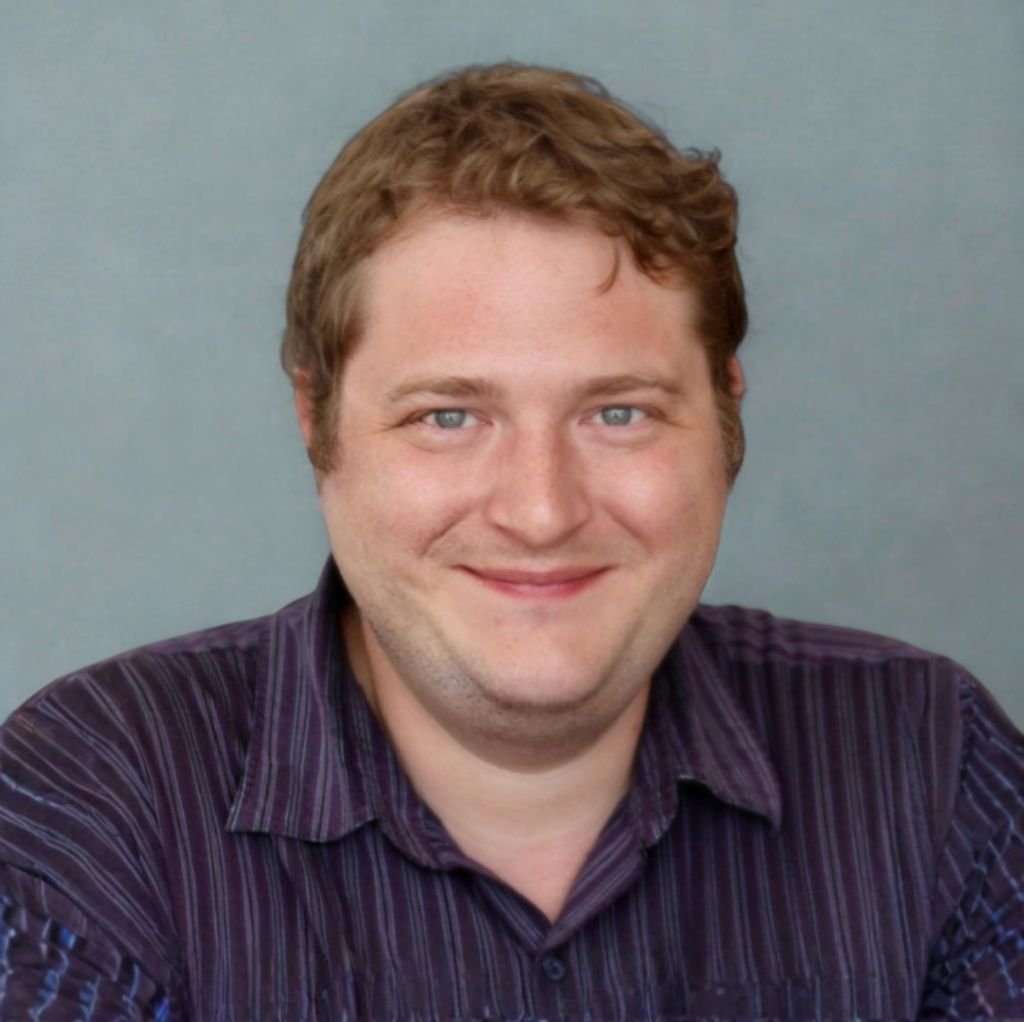
Brad West

Founder & CEO

Brad developed the charitable ownership advantage thesis and has spent almost five years building its theoretical and empirical foundations. Attorney and University of Chicago Law School graduate, he has written on Profit for Good and given a TEDx talk on the idea.

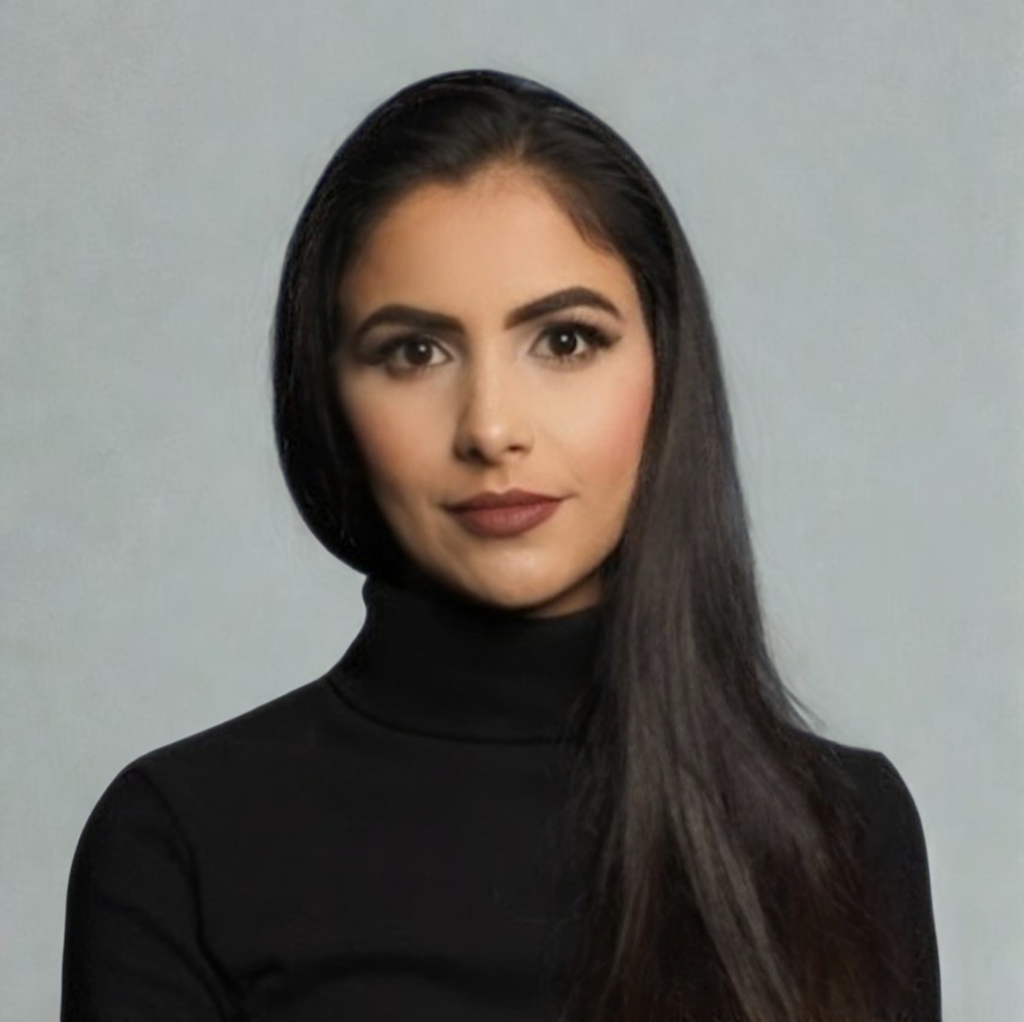
Nikita Gossain

Acquisitions Lead

Nikita leads deal sourcing, diligence and execution through PPR Capital. She brings a decade of M&A experience, including five years at KPMG, and holds the CFA designation and an MBA from Cornell. Through PPR Capital, she acquires durable small businesses from retiring owners and holds them for the long term.

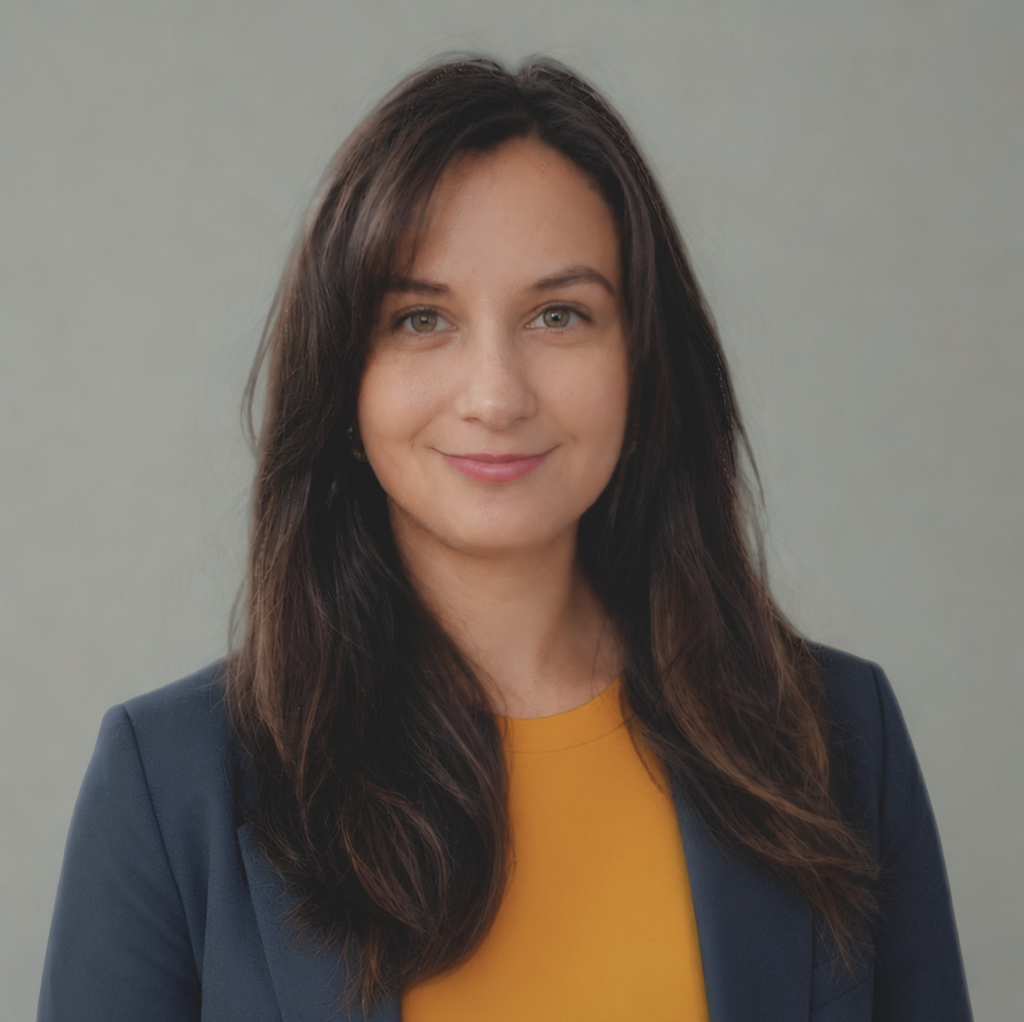
Siobhan Ballan

Capital & Partnerships

Siobhan leads capital-raising and strategic partnerships, with a focus on lender engagement, funders and translating the COA thesis into a financeable first transaction.

Santiago Alcubierre

Communications & Digital

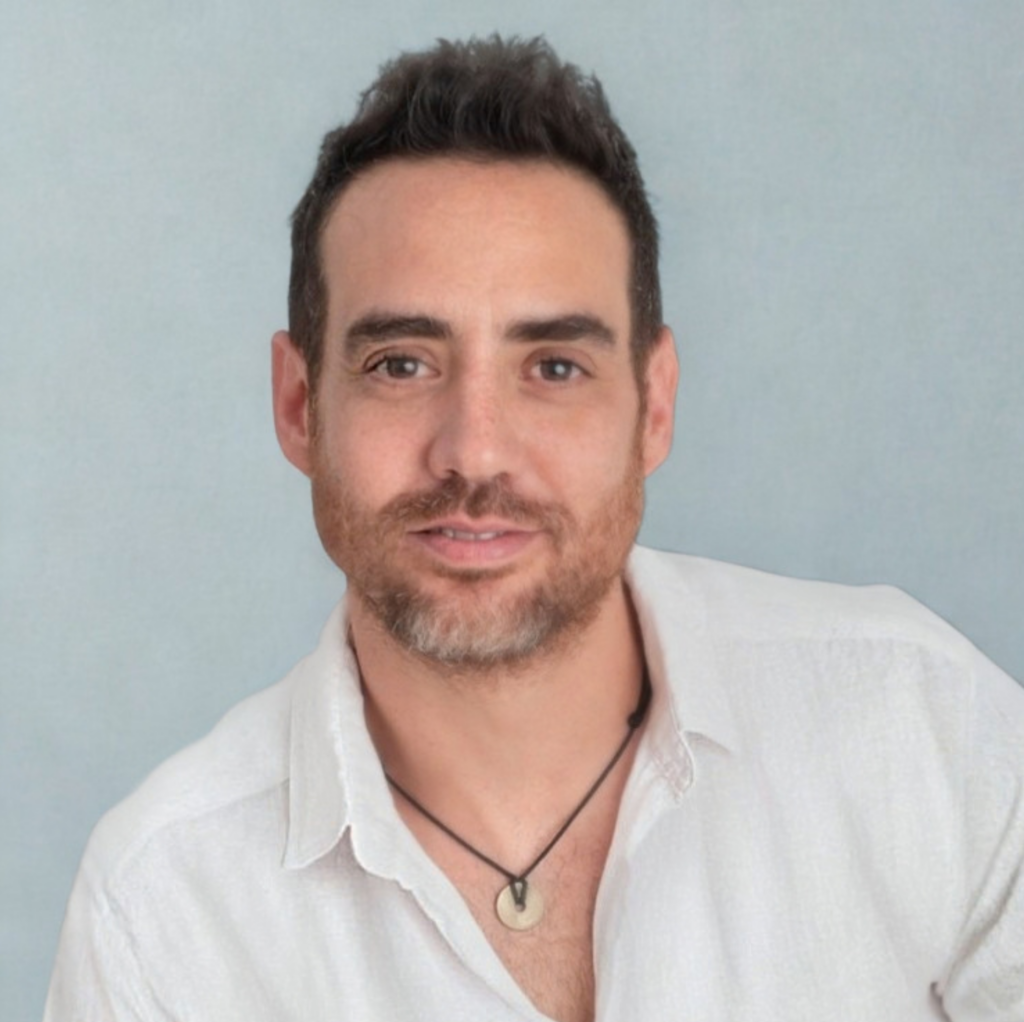
Santiago leads website, design and digital communications. He brings more than 16 years of experience in digital marketing, communications and web strategy, and is the founder of Lemanode Marketing.

founding support

Backed from the beginning.

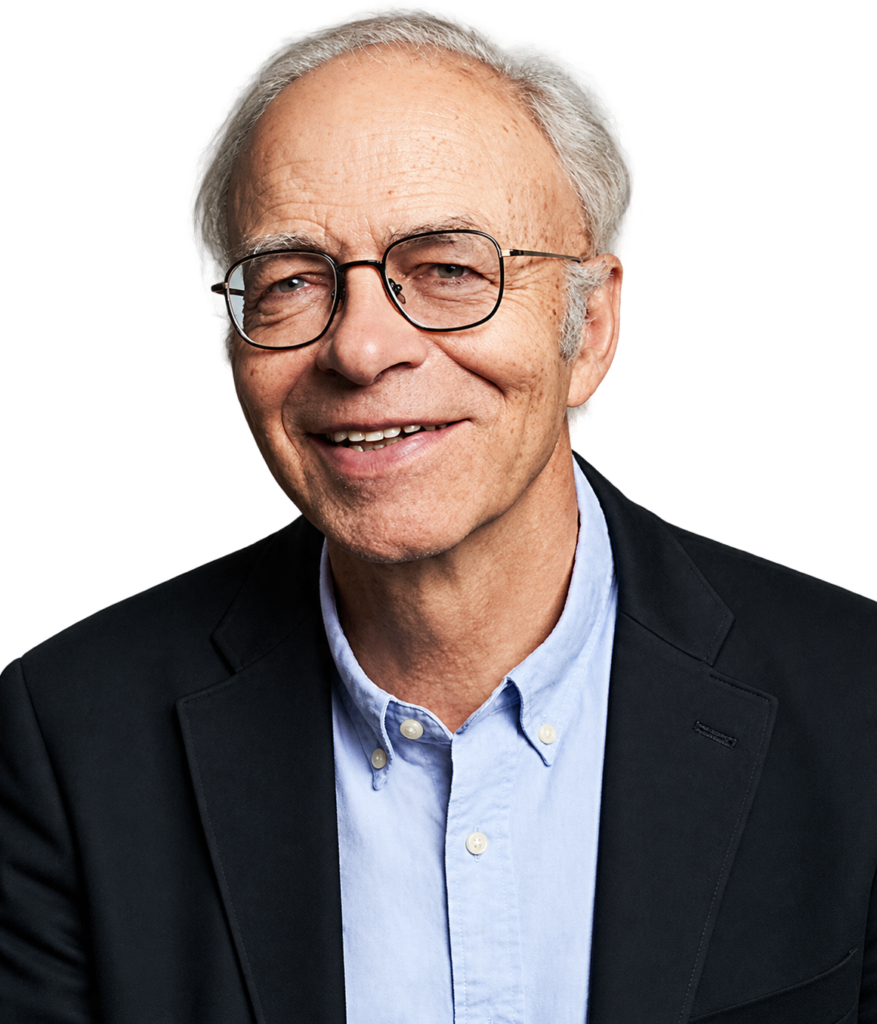
Peter Singer provided Project COA with a founding grant and introduced the project to potential funders, helping us move from concept toward acquisition.

Peter Singer’s early support helped give Project COA the credibility and momentum to move from theory toward a real-world test.

How we work

Our work is guided by a small set of principles that shape how we make decisions, allocate resources and evaluate progress.

Evidence before scale

We want the results of our first acquisitions to determine how aggressively the model should grow.

Commercial competence matters

Charitable ownership only works if the underlying businesses remain strong, well-run and durable.

Build for replication

Our goal is not only to own businesses ourselves, but to develop legal, financial and operational approaches that others can use.